
Our approach to reliable hospitality foodservice
A pragmatic framework for F&B managers and procurement teams operating across international hotels.
For F&B managers, procurement teams and hospitality decision-makers seeking reliable, compliant and operationally sound foodservice solutions.
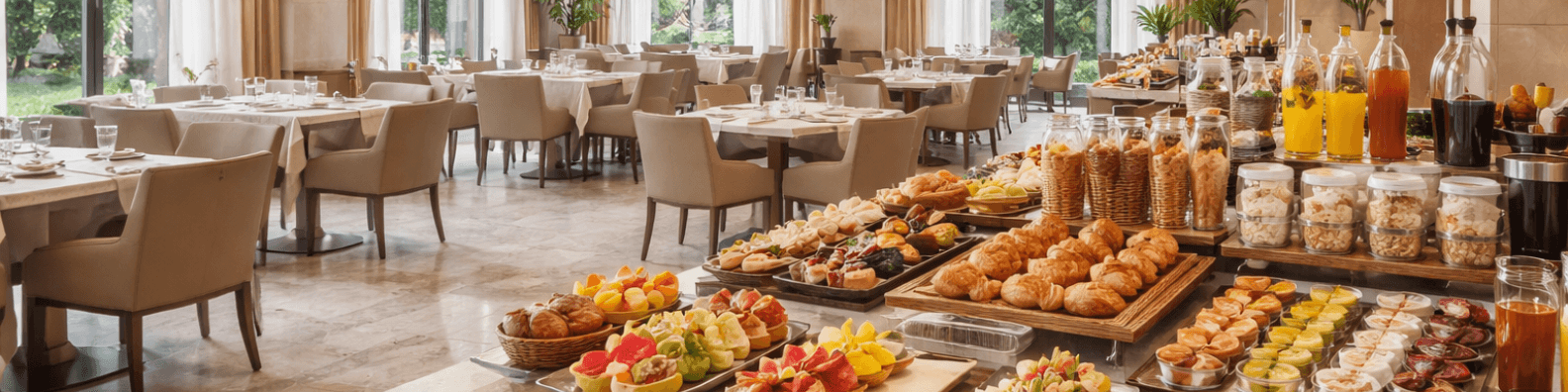
A pragmatic approach to foodservice decisions in premium hospitality
In international hospitality, foodservice decisions are rarely about products alone.
They are about risk management, operational consistency and long-term reliability.
Hotel groups and premium properties operate in environments where breakfast and foodservice must perform every day, across different locations, cultures and teams.
Our approach is designed to support these realities — not idealised scenarios.
We work at the intersection of culinary standards, food safety, operations and procurement, alongside hospitality organisations for whom reliability is non-negotiable.
A structured framework for evaluating foodservice solutions
To support informed decision-making, we rely on a clear and pragmatic evaluation framework, typically covering:
Reliability over time
Consistency in taste, texture and presentation, regardless of volumes, locations or seasons.
Food safety and compliance
Clear traceability, documented processes and readiness for international audits.
Operational simplicity
Solutions that are intuitive for staff and guests, and easy to deploy across teams and properties.
Scalability
The ability to adapt volumes and formats without compromising quality or control.
Alignment with brand positioning
Foodservice solutions must reinforce — not dilute — a hotel’s premium standards.
This type of framework is commonly used by hospitality teams managing complex, multi-site operations, where supplier reliability directly impacts guest experience and internal efficiency.

This framework reflects operational realities observed over decades of hospitality service, where consistency and hygiene were already critical requirements.
Need to clarify your foodservice sourcing criteria for international hotels?
We regularly support hospitality decision-makers in supplier evaluation and operational alignment.
From sourcing decisions to long-term partnerships
In premium hospitality, sourcing decisions have long-term consequences.
Changing a foodservice partner affects:
-
daily operations,
-
guest perception,
-
staff routines,
-
internal processes and audits.
That is why this approach is typically adopted by hotel groups and hospitality organisations operating across several markets, where consistency and continuity matter more than short-term optimisation.
In hospitality environments where service models evolve but expectations remain high, approaches built to last matter.
Reliability is not declared.
It is maintained over time.

Why this approach resonates with international decision-makers
This approach is shaped by operational realities, not theoretical models.
It resonates with international F&B managers and procurement teams because it is:
-
pragmatic rather than promotional,
-
operational rather than abstract,
-
structured rather than improvised.
In international hospitality, foodservice solutions must work every day, in every location, with every team — not only during tastings or pilot phases.
Many of today’s best practices were originally developed to address hospitality constraints long before they became industry-wide expectations.
When this approach is most relevant
This way of working is particularly suited for:
-
hotel groups operating across multiple countries,
-
premium and upscale hotels seeking consistency,
-
procurement teams managing supplier risk and compliance,
-
distributors and foodservice partners working with demanding hospitality clients.
Whether managing a single premium property or a portfolio of hotels across regions, the underlying constraints remain the same: consistency, compliance and operational control.
A discreet but committed partnership
We believe the most effective partners are those who:
-
listen carefully,
-
ask the right questions early,
-
and design solutions that hold over time.
In international hospitality, reliability often starts long before the first guest arrives.
Our work is shaped by the operational realities of international hospitality — not by theoretical models.
An approach shaped by hospitality constraints over time
This approach was not designed as a theoretical framework.
It was built progressively, through direct exposure to hospitality operations and their constraints.
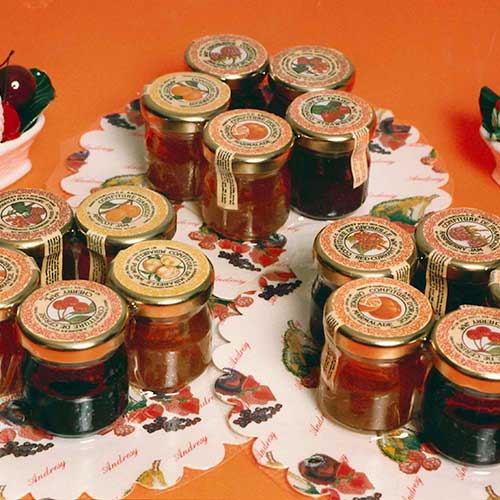
In the 1980s, individual portions were introduced in Parisian palaces to address two critical requirements:
maintaining premium quality at service and ensuring hygiene standards at scale.
At the time, this format was developed to serve some of the most demanding hotel environments, where consistency and guest reassurance were already non-negotiable.
As hospitality evolved, the same principles were applied beyond luxury properties.
In the 1990s, individual portions became relevant for 3-star hotels in France — long before the widespread standardisation of 4- and 5-star categories — reinforcing the need for quality consistency across different service levels.
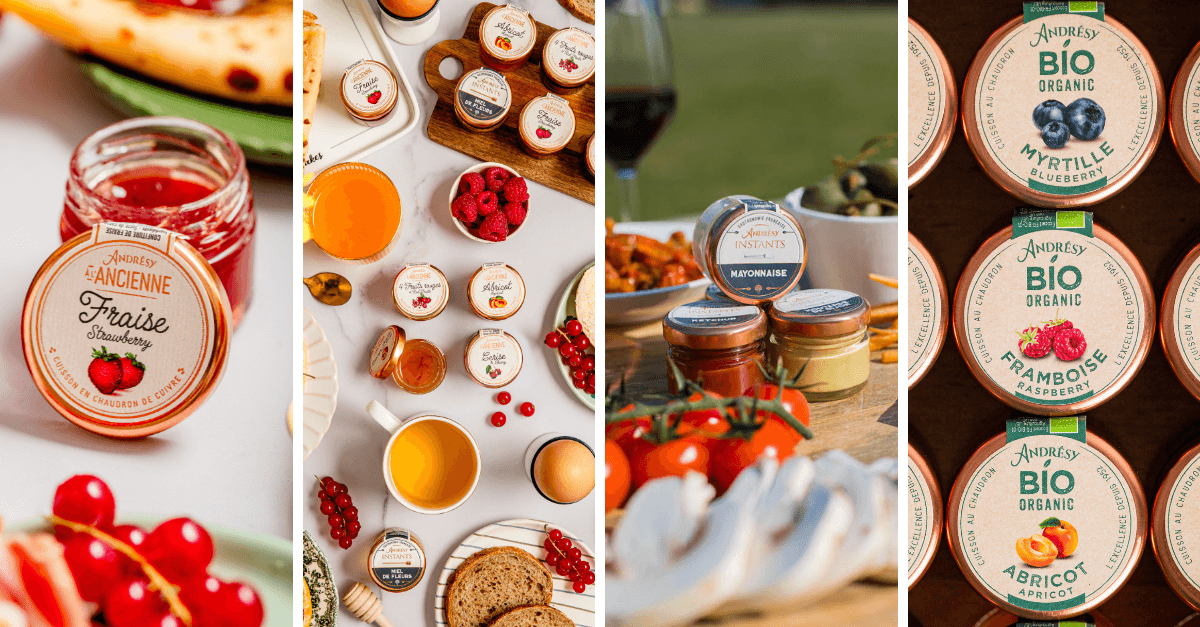
In the early 2000s, the approach expanded to include condiments in individual portions, responding to new usage moments at breakfast and beyond.
These formats addressed operational simplicity, hygiene perception and flavour consistency — challenges that remain central in premium hospitality today.
More recently, recipe development has evolved to meet changing guest expectations, with formulations closer to fresh fruit, reduced sugar content and a stronger focus on ingredient origin and taste expression.
Across decades, the underlying logic has remained unchanged:
design foodservice solutions that protect product quality, simplify operations and support hospitality standards over time.
Reviewing your hospitality foodservice strategy?
We support F&B managers and procurement teams in structuring reliable, compliant and operationally sound foodservice solutions.

Some discussions start with a simple question.
Ask a question